


Developmental Milestones
Physical Development
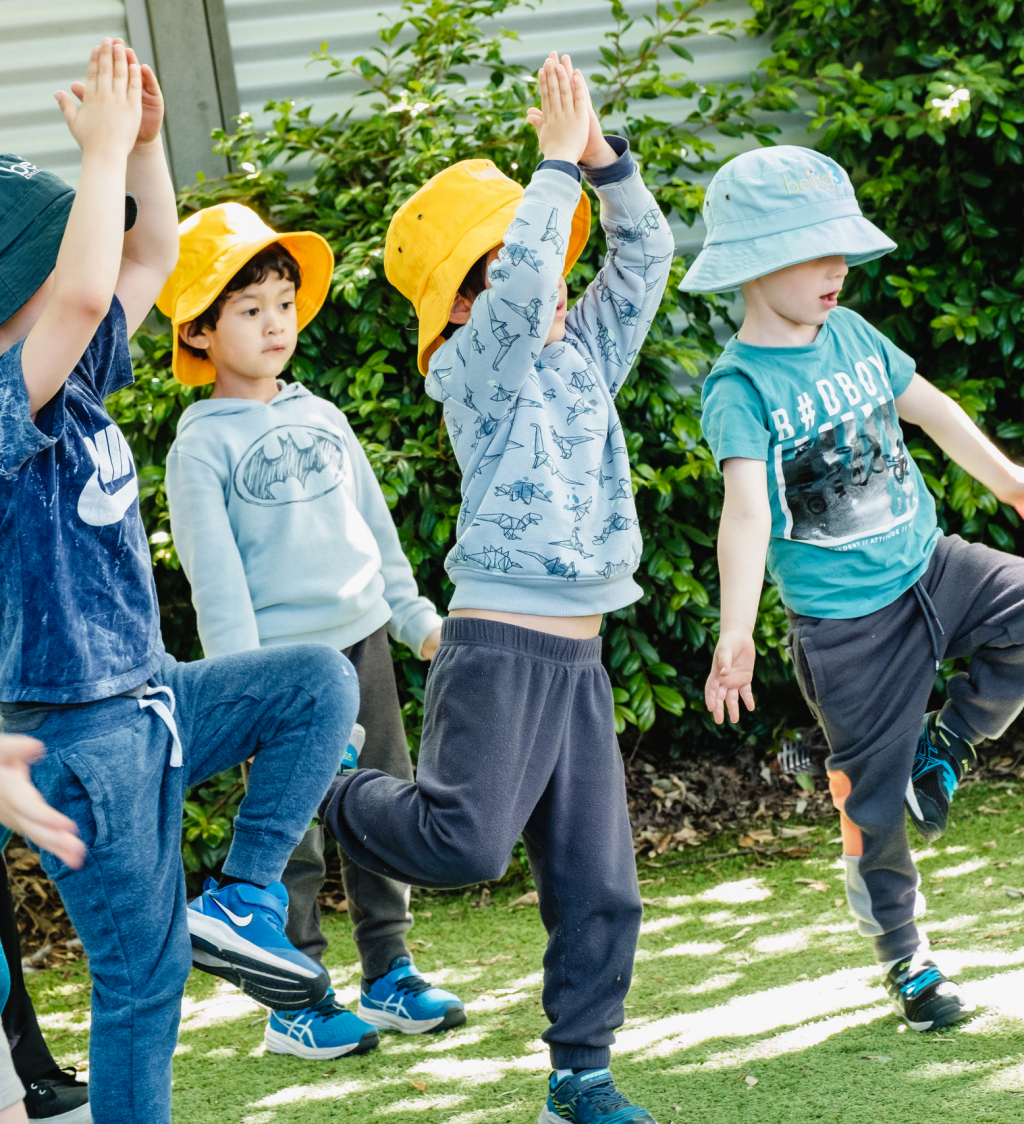
How children learn to move and use their muscles. This can be separated into large motor skills (such as using muscles to sit, stand, walk, run, keep balance, and change positions) and small motor skills (such as using hand muscles to eat, draw, dress, and write).
Physical skills develop through regular movement and activity. Each child will develop physical skills at their own pace and like all areas of development, each individual child will show strengths and abilities in different areas.
![Ï0FIÀì)¾JI @(i±ÍÆ%´¹¸ypÉN`PÉJì¹°q¹6'&SªKR¼kÛSÍf¹2úÅÖµ¡Åi}ü¢ ·j«^D¨:àR£w¨Z[D·ÎîÔ8©=]6µb,óH@OvØb$_m%)'t#B;ÐdM ¡MÍA2þýøEQZµ þ
]wwaÍ´Sqçrþ@¤ß¨aRÿÿÑ-¾³3ã`©Z-ëÞ¹·tfQäO:^®±oåUXQqMé×Ü aðÿy±ÖáØ`É{_ÑÌþuóV¡RñèVÑCnOPÔ°úø,ÄÈ,.Wrþú_Äq2½µmx«ÇÑu~jAÌK¢ìrG$3ÍËdmj=A)é_ÃêG~h?¶_©¡Øÿ;ý3P*2ì¾bì¯üãµÄ1þ`]»VÑOüô_é8íz&Ú¦«ó;]ã#1®ÍÊèå]~ÿ{è'Õ"E ½(ÏËl´ª{ô7UÍ}>F-Iª$h$RÌÄìÃhsA(E³ÕµÈîíí4Ù8HÐÁÃëÆì8¿6<V:UUyñ^?oáÌØb°Gÿ¥ôGþ©ãâ§ô$Z,fÒ.æv2îcmí'ÂA¨Ç(©qt²Ëè/ò·í5xĵúÍ¿¨¬9^QüQ·ìÿÀç'«ÑK¶õGùÏY¥ÕÇ,oøº§É©°¥#£ñ¿0j~¦ìÁÖÌàJWqËLÊWÔ%iÐW+Ë>Üʲn"´NÕö9¨iIÍ`èþvòþ©,X3SX4yíª%Tf|?kf&}i±sâÿMüæøiè?
5õ!4xøbåÔðögv¦×èñs·¤ÌHlæAÇÔÈc£º¤RHñe¢@|rÜ9$E³ÄH;õºÔ¹^üi¿Ý&²½2äàæÃ{¶ÏR±¹×&h7´ßf&µÃÓ?-·Ö~»$%xzîµïÉv8Jê%ôÒ¥·i@vWø½p&¶H<ÉÔü¹éÏñM²p2&#Í!n¹§£èKQÅ%ßí1»ÆAy^°ý'¦i²#íBÐl«þì®9A$ÃkLuêÛåÌU5-:îMkGméWæH R";x×z?ÿÒä©æ?=´)»eW¡CG¹aµ²èݲ¡VTÿåcùç@Ôm¦ywCêÁõ:PhT)èpãÕ÷jÏ¡« ¾ùÇ®}fî=.;{YuyÞC2HÃD_2SîuÑÑÎ$ðÌ/ ©êÚÔ$'OØlÊGßê.~>Æ[ç εä//jÞ§4qY(Ð7ÓÄ1Éæ©BÃ^á_Upÿ¤ÿ¤~ÅB8¡i[áHÆìXô£v>ÙNÜ2Ê%¿Ñ¼æÞi· õÄ&âåñ)øy
å׶daZ³Daæ?3þüÞ¾á£úº
êÀ-+Bjö©Ì-Üs×^üëóÖªÜé×Z,bhbFn,Ì8°¨8%º$@¨8ÿ<G))±ãþy¦¿mùæIbå&O¹<m-bä"ø¾ÊP3æ|åu])÷ßÎzÝ/cc_Îûßæ1C˺¦$qI"xäYH?bâÍFà sùoùÑæ_+Þ[Á{u&¥åöu6wdhÔÐs
Ú¬
:úuôÛüøó:U1¿?ç~?ß8|5Éô¿ü¬£0ýrJÂU +¶ù¬9â9·ðä¿j¶ÎEÑWx¯Züò'QZ!èEÚjV0ÝÆEÆû2êÞã9æ@ånØdôÜ~ÓÿëäTÅSðÆOÚ(½oÚÊáÙ°ã7îYTi,1HJÄô,*?»&(ÈT
°Ü%Óé͵±¸=Q[ØöÍvM)Æn;7Ç'Ýyæ;.ã¶1:³Å8!ZlûÖ¦»d§Ø bÂQúz&PnÛɲ5A<»æé»pðµ')nL=>;W%bÙpæXæõ¯.o0ß+B±áé(`r?.ç1òDzÍùÊìZeQyPÉw`Æ#°5ëÃÄeG#ft a^qòðkºdÌÏ5§5i˯$1¾Æ=íel1,î_ÿÓ¨¼¥ä»ÛM>êÚWS#<RÆÔyÀ6ïN;Ñ~hizVãOTXm-äDÛþð
Pïö©À¨6LðDÈÿxö§Þj
µ¢¸@Ö¾?GÚ<õ½7SFtëêÇTzõªíRmLüÑlüÑåÙ4;¹¸AcxSí`Ôqõ§,Êż(¸Ø´üz¿§/¶?ì^³u¦èÞ]µúö¡$B¼ÚÆfV |$ÇίC½DÐÿK_ñÔt·Ðŧ$ú*ª8V^eCÚë¸ÃMÞ¸c»çÍmÆßκg´oU}kÈ๷r")7Ån¬óvFb
]ÙþAÿLóqæ}VkÎ"Èc7ÍÕËfO¤iö¢âv5ÚÁ*)ÞY)×4É<´íí£·¶I·(¬VZ|N¼ÊÌÝC ôþ/ê¸ú¬^$8zÿõæOÍi-%m7˶f*ü?]ºR×¼qmàÏÿ×PõKøl(ÿypþñ(yÊ×ÞbÖMö¯9rÁIaÛ}©ì3A©ÔK!¹/I£ÒGvú3ONÒ;8¥AâV6V+OcTåQ»yGæ§ôm?BÖuÈù4²(DRż§Óäk]ØÉc3rNb dæâ"tîû#OfZ|OmiLzî©iz.BNe¹]JçP^áM>ó4>uón®Io ÚèÄ{Û+@'ñÇ Åù*°Ü¿ÉûYW| oÅ&Qä_ί)y²_©Fía«arT3ëé²R²Ü¿W(ËÇê:?OüuÌ8»¤×¨¦¥ðÌLÔ&8ÐÓ^pg =Wæ;¢Yè_Õ÷-63ê6Öêí:WÇR>ÒùÍ8^¨·F7Ïbó·y¾m#³Ö±©wc¹aí0JdDìS/Aiµ©G9ãHC=:Ñ)&Ê/;r%0òâiSþÕz<ÓKSR8ƹQ2;»Nõ?k)ää¹Ñ!I'hT%h+E¨¦mt¹LÈÙÇÏéÌ«Ì÷|¼¦æcI%XÓý°,Óá,¢.w^â+2"À{ ;õ¥M3ywù¡ÃùDjZæW4ÿ%2¸Y²½Âc§ÝA©yßF÷&ÇáOøÛ-ÓÄñnÃ$ÑüãÝÝèÖãr¼ÿðqÿó.bÃßÿÔ¯ÞyÞ!¨Ú먲©öÉ=Ì¥éÈI,ÿ¹ßã#Ŧ/wÿ9ù¶$vQÄûÑ-ÜT{ð@qÄ'.1ÿ;þ)×Ïzx´Þ8µ¥¹¶Å@aKÔ×(.Þíý¤oÙË¥+¯Ë§2ÆxãôðþºoçËk»=iæxÊ£ÚF¥ûlÃ*Ây¼®@È4ùdIî½1PlcÌ Ò^'ùµç}cRóa´ÙtýÒ+{MÂ9;îÕ<Oì®]ú8G/âþnðLO¨]þ¼½Úîr%³ýKG]ÔFÃì×ÇlÖ½±nwÂ÷ÿ'~]}ËqËm+i·+ÈÞ§Ý̸#eÇÉ1Iï¿-{ëëíOô§ dõÑV8UWjõÁÃvXË1Ùáÿ6·£y*e½ á¼¼(îUHAñHDÐÇÛY¢ÃÅ?s~ZÇïCþIþW_]ÜZy«PÉM2&Êâ ÍO÷Úºÿþ/Ù^Yú¼Ñ:0nz÷vÚ£ü<»ù[þ,ý¯Úø¾Ö¯W¡1PõGù¬H³æöÑ<[#~;õ%ª:vÑæº2X6± 4·Y ÔѾxdqöÀû&¿Ëéê¬9ʺMÓîX³Ä¥drèÅáðÈ':ÃÐÿÒéûG5h¶u=bGâ2"Öc:Àë4¦$¿^orÃþ ²T²Úy-|n©K$+Ovp0âÕ(ØdÞn¾½I²·}Kuo0_ñ]ç[I¥¹ÑRì´mL9Çu"¾iÒñYÚô¸`¤"ü¡C/æe¿Ä:cåØy¬£pÏ|î-¬5.ó£4!GN.¡â,¨1lüÿÕJÓòXÒJ×Ol®ÂÿE~Öbxräíc¨6o ùdõk #ááÖ±¥|s?sõ:ÝN åØ},¶ÛËf¡¥¹cþ[ôö±ãbOÖ(TÓìòg§ÙÊL· Ïõ[¦K`Ïhî/ÀGóA£²Çé¶øeõy¿|ªiú¢þÓâ
þ=ËÎe§Àâì¶fc'GÛZ(áõGéúSmÚè}o?¼h?ÊçÉb_Wúܧt?¯ÙT)*$Bh=@6e'âUø~/·eئq,È.³¥Ý¼ZÝÕ)W;¨¤$òdYí·UÍf Ñz.ɹ@Êý/§uWÔu+_-Üú*rP´ùdyòkBDÌ0¿5êd³Ð´ÛýÍ©UãL¾4Ûá&O6T5« °ä98qó7ÄÈo5»iÖ»m+ö$`¬±íIfT}OÔåîòX£e×k²FDD¥êéQÚÚÃjÆ@T¶pm¦ÑíK]1AYÝn%£C±hÞ¬[¯¶Øðr^$vÇ%Ã
ì~ìJV}ç'ÿÈ.JÖSev¡Df=cfû;M$øãG|óçX´«ýQîìQVI*eUû-ïOb@Ý¿)"þwyÊ,."¶ÑÛÈÜexG%Gùÿ¹©ìøÈñGÓ/ö?ñ×ÄïzÕçwåæ¯f°&¬4i侶¾ãõS(ø?à_5ô@ ?Òþóý'f/ø÷Lïɤ3
{'Ö±¹G-cö¾Ð#6}&8ðHPþW(ÈØdvºM¢OtÁdp[o6ÀsqmF"Ìi2EÀp!ê)âN&§é[IÑVÞÚ5sÐmødñá3"#a< È·i1rH¥ýÒpîíøF¶·ó,P Y>¯"Ê]OðÉÃi1áÞ`Ò¬µNÞÚqSmKJÓíüõ6K(ºqËrÿÿÖëÑéºó xÝÙEIÌ-Ti®i00Æü%T iPuÁÂVÐOEúZæÖITz@¢¿Ãò¡|ùå{_0è
äÖ»´ç5åén)Èð½xôÈÙ4ñHNT_*ëpIi«?Ô£iZÝÆÄ||v{Ðøf$¤Úÿ,âÍÕéê3ZÑ Ñ®,¢6óÉ8d´{~ )Ésïß"E:8Ää6éIâó.-ÌÎK#¹i`{R55J2Ó)<©ÍiqUÒõlîa¼å#iÜ¡J¯À7o
k¶gbo+}ÀGÌ0~, Ë¡²·
@#~=ÎS,ÝÎËfǫ̃^v'Ú~Mö³$x%Í<FÇÕf«äIc¸ÒÒK8êÄjåZå2¸áÅOêaÞlüëѶÕ.¼¾Ñ¬ªFÌÖ¯F¯ú´Ë1Ïî|ñaé·{<ûåýnÎáby¢m&¤r©¦ëÄõãþG%Ë£IÃÔv~l?Tvþwð§þÔq5sü2[¸VÓê4í¸Ý~^¹ÕxI?v4VÛLÑÝS }%Î^[ÌÚ=¶qsqi¬½¿L¥wSÍ~ Bé»nOWÕ¿/B{5b½[ñÉÈO§Ä9 ;uÍö³óãúiÒé#§0áÉÎÛÑ<÷ä/(y´kú3½òÝÖÙÑÀxÿûaì?k5a<8$w¾'gãÂx 6þkékȯ.í®¢jÆðr_ÐæÎÓáêàÞ7Ñ{9:âû0WïoìÃÂnÑagË^Ý-ÒóvÛðÉJËó/ÿ×êßXk$sÊI¤SÄõ£1§!·aõkcï$£HúººÍƲ/ÏÈzÿÌQ7ü7ÃubÃ5¶Ö´l5G[)={§ûÈÃ<Fÿd_ò[$y(aеȵ{½ýHf«aP(ÿ?ÚÊHdó+¿Ê[KïÌ»éÕãÒ¥¶èDnÙÓM2qû¿ÉÊNe}íåGaöz?æ×5-á¶}nÎóÏm;¼c©G?ù9Dh[¾,xÀðê0ú¼?ÕDi?|ã½íèú$-Åíø²4Ãö92oOqÑ<§iöñ¬`#EFªôcðág]8#½,¢ àeè'æ^Ó×6ÿ
)),q|-+câOÃ1ç+.ÓI!pdq29n. ýYQvP¡¹åêÿr£¯hV:±bïoyjäÚ_ÛC!ñjUº:7Àù+qN1!R@<õl}+Ý:ÛÌSëq1´?j&±ñI#äa43ÒÍ<Åù1ªyð$_´õÑèÍ)YäMê_X§âEWÌ1Ã$e/§éþªêtù2c~ª?OðqOøÙ'¶~KÖítHä¾·Fd©v4þ©áí,BYe8Ýó]×dç0Ãy%Å1á·ùì§ÈõÄ:´UäÏ,S)úªÈyu¨¤ïÅ6ßäæÑqûgC"~¦}%ͼPI*L8AZÔÛçDÓÌFF¶§ÜÝ"ÛÈ®ëóöÃja!Ï¢·®Þå¸ìG¶z¾ìUþk[ϪÛÙèÑ`»ºõ*õ6ÐVBÏ"Æ¿êò̽$E.ª[ÿ9dPÅb* ßÄÀf@9$óE«Çéñ ñ¦[K5+-Úâ*#ÆAcÒ«ß'{0Óÿ#k]úÍ«x«Ü
ÿT¬u»¦Éb:qnéÚÃ53Õh;(àÛw~lyjG}e$F·p©,'í/6ÝÛøqÇ)àßêþWÚ]<¦á¾ßKÄf1£)cÚ¹ÔôôÓN7þIÕã;ÂL~ãG[ÕH;Tíwiið)HS´ÑèuôÎ}%ä}i¬ôHîåÜC¢±%ñß<³YÚ&S68¥èÿ{:Qá¿GóBÞ3 "TwÏoKF] °Èa[WºÆâÇ:>««ÿÐëÉöHTªCnÌd¦;pe±Ü´,ÐIQ?_S}¿&Í&²~íªèG§Æ»Ø!!h-ZhvvLÝ?j|¨.Gí:«e@¥ÚÛ¿ï×ÏRlÅvfåÓá_³´ÐÆ6}>wE"E5àÃfS±ínß4y)E%J]PúÀñ*Àrá7ܧ×ÒÔ!µY!g¬¡#%<â$ýø²gÆMÕ.csu9ánFd?ñ/õ²25EJjÌ6ÛÁ¡ÙeÍÄXæ«®ÛX^ÛGy'qXÔ9R´©*«±Ã§3ádlöMZ)PRv¯|²$:ÝP²y¾ÔÌq«F.½-ÕÄr;(n+_.MÔFì^×ÍÚFµ©5½³"jvRg´¼B/!fRx¢ÙañzaÓì³åØ«w?Lbw<?Ðú?ÏdZÌ£ÞÔ ZÌ¥J©ëJü²y~NΧÉú}OÖ<ÞÏæ1w§¨ôl®cxv,-Évý<ù2¶jL÷°ö°Ó càñÄñö/1ê0Íå&Ô i} r¬¶ñúÒzDToS¯Ä´û9Ü,¦5«ßº¤¤$¤¨ýY¸5&tERji»ö÷ÁKiî-àhÅvû;åµÌìü¯×Ùu[I%ð°¨÷û2½v;¦ÍOXzF»ªØ[É[׳V#M^£Ã9§ÎF!é²å8á{%¶W:WmïËÅgÒf©zTí9ðb~¨ÿ¾FYâîx/|¯iºäòAjÒÚò½Ï1pe8ðÌð»¡Ã ;ËZT:Kv)!¥W5yòöÏ!éöÃPʧDƤHß:ÅÇ2{¢ë5Ò<,þÂÎÛ«UæUÀu#jÊÖbÅ[°LðRei/n¶übZ|þ¹ºèëúÿÑ«6±¬[G¬è^cX-Tôï9ZI§Ù7®µþaþ¦eÒë/ÌË¢ßÌöIlõKK?k¨ú¼ü¼RÕìðj÷)y£KÎyanIÊµá ¡ôy£|_Ãïuí×ÊÚ±2ZÛÞÜZÜúu
´ªAjÓ¢×ûÇÈhÛ1O`°1:Ç$lE ªð4#$OG?GU_Â[Þ0ròa*r)ÇÜÓºí¼è9ÚGy©érj_¹ºFN¬ýð®LNãO Ǽh ¡<~doéÈ/"ôгR-]kJV|à<7è,WÍ:Ïæ'ÚmZê?ÓÞ!O³_Fî^iNÁzþÖkåw¿úVziàÉ·Ñ_Îú¤Ê¼¨j:ç5mY¢ïcÇon¬#¢³9bïO´G$O7[Bf0¿ø|&³ªØN.þge/®E9H̨ö@ø«ñÂal°ö©H"åþKÏzí¦å»¡er?K"lîCHÌ?Yîà³³Ëù¿Âóó·uÛ[wÔld½òôlùÛw_²¿o¼þ(Û6ò4¯%¥ÕÕìokuq3:E#3K#dVvøºüDæÇ.¹*?¡ùçEÒ;7þ`iÚz~Ü»ÂÏR¯aÄm¸ÍgDG(÷8z¿Ty¦Ç«K¨z7/ëB®}F l«öIÿ[7'Mêâ.0Ô@ÄÄÂso+ûçûH´È?®es/ÿÒùª×A¹ZVñ_j1O齺*A:`Ûû;?ìfÃDÎC(+!×mf¹ÍJM4ÌÄzwQF®Aj(ãÅÓâeå@VÇÄ$óDÝhs*Á¦Zþy ë¡W´Ý=d%8ÃêÇ)+ÑtöhÜÉ`«%Ä'ÀìØ}9˶ÎãMÙàÈ ñ-п1ô[WNÓ£h4"·
22v9;<fú«iiy*KF¨*ÄÉÀÓé'91ÝOWÖdCeÈEîå×ÿüDö9*vø´øÆùd«,WóL:´:¥Þ±÷~ªK<Tâ¼U
UWrÈÌX.Âz2ÆapƧÒ
)ÿXfPóI+ùÇOýiV"ÁÚ×ÔSCª~iië$3r6wÉF$²0ßÞ__ÜCªÞÛONÒØ+J^Õ]ëR;HËæÆtÔ¡Y.¼ÎñÕ¨ a)²oR·ì7ƹ[$blÒLÊÏÌZt2¢ÏÚ+¢È[Ëìétâ¢ÉêMÌ7ë:ΩdgÕt«U¹¸´²A!ø p£âÛ«/ÃÏ/ðhƾI÷|«ù£æHuMsÌ2iÐÎco5ÛÅÕ©òÎ~]¡Ëm¾KÍÃ!gÞÉüË Ï§éÒ¼fûÒBWÕDW²ÈÂå»N@Ô
¬Ý Fáé?é>é¦ÆG'¯ÍìwyÉÓ£ÌwV©fÁ°µ¬AãmªxöÎG]82ÕqEËËÄü_ó7!{J!astü®"aÇN[lv@Ôé¦l ó[ôºDÄ0èÄor ûí<.Æ:¼gªûÌ^_HIob£â<ÙæGYu`æl®Úæ)â@)¦ÒrrÇbf`ð÷8ù»K ¿|á¨ù+ëÛdÃÞ~#ÄIûó ÓæaÅÑÃÓäâF¨ëíø»â# FdÀNïÿÓs«iÐjÀ[jò¶1¤ñà,«8U4+%9'íqâ¹ &1®m=£gÜ/¡k#^ÎÁ¸íÙx²2Tn,9|_g.Ézj|x¯êGɺtÇÓt¹â²L<qÐDD¯YjdoøÁðíã¨ÅB*z´;Yí§ßãÎýnI'r(ZUrDì²ÎôsÖLßqe:^ YÙ%®öÑ#ãH=x :´Ç9÷E¡G¦ÑzhzG^wL9PÖNîÐ-£è|ö$v?5ç!,í1ëòÙ%%ÕüÃåÏ-9¹Ö[³´q*´ððÌ|ú9dX×Ó~bþn]ViÍm¢ìª§í·ükø§ NÑq5uüRbÚ¯/õ½çP7níÑ+nUyÕÙ¨P£3rÈ%£³pÏ éyõçõt^-oõXØÐHµj:ñùd8º|X¾¨×ô]'óÌj-¬´,x;ñHØ/±ÊåäbÕÊ@ueêúãÛ64ÛÈHkÖ¬åØj}õr=¹e¡ÄY¶
5o.éú?^!ñ&±æ[bcy7háÑñðeâáÏ.¦xñÀ§ÓÿÁÿ6]ÃBòãZèos«,këÉ0_Þ(êCÝÔJ¿géq§¨i^O¤})þa+Bö÷¬=2(¡q³PÄqɬãÉÙ%®£s¤ÚT,ôÚiõ]_ÞLðõ)£y{TMJ{ÆàcxDhT×î¦Yù¨3)óÙ#ÛR·Ð ·{w
ä AË®ÙhÍÕÇÇbÖl.ouäh.£·ÇÄ~˹/â¹ásÝ¿yâ<½)Äõ
£¯ÚnCq÷æÚ4§X¥åýr{Ö6|²G.þ²Ñ@#±äWðÆZ¼pç%,ùGýëÕ<ª.cÒàKÌR¢djT=³'Ôk½yßLgó?Ri74?°ß¨äb8¦"xqÈùCÕÐSýζáûÀæjz{.BpHsïÀÚbn¦
0(øåFR'"2»¾¹¹ÕïÅ·H¿yqAJÓ±Êäì'+cÕòI{$PCîáQÓm«âdzFL»Ò?,îí,¯àFãnENwúH w;}8¨£¼«¬Ö$[²A¿¨zPx{fI°ÿÔãzwæ>§ie©ÛºÅiÄA4%¢2ªJ
Êÿ¸5 &úrdOW½yó»Ëé=hÛÚImî'oKÕcU#âU
Ü¿káËåñ@Øe4#@_ÑôÿIé1Ï¥êj6WcÓ¥¢+$_ðµÊH1Ø
·nFU. û,¦}úäJH(ËI`¥!^±ñ'þeS1ª_óigêÞȶðò±vbhÙù¶1's4Ë5͸^{òü0Ë%º=Ì@ݺñó#7hÒIùs_gp»x¢ ¤b¹éwp]Annuråu$ºX4ºªòøãoûÅ>û'J"GÞ_î]Ö%/9ó«_k^w*°ñ5w©|ÏÈæEõy}|%=A_¥hú½Íò/l"ÑÁ d]¼ÜÍXÜU#êQj±òãö~¢r·g§Çdpóû>/çþ?ÎIüõ6©uRÚYHhÜ4Ù-âP´§?j1ÐcI'ÓýIºcWOo$:È Y!xä½,ÃÿËM>b¥b2îô²½zú=aÂůK%dËyÝ¢b7ýÔ1°@õïörw9²G!'Ó¼þ/èGýòU§yÇVòä+maªÞ
o+p¼ª¼{|90«Ë8Ãbe"Ãéúi2mÏòßÝ©¨Ê躷£3FOÚö*ïa<cê!ëtVz~¦Ékl¢òí=I'|ÕLnéòfùM4-a!³´õCú.µè+öÉ·|¿O±§'AIOlüýå)!»Eaµ¯Ë3Å9½]¨þly&ÇRú¤òb PX.ýÈƼÀzL¬|ùåôÈÊz²@tdpÉ5ýУǿMÆ a ×4úÑ~`â¼2çÖ,lÜ×_¼sóK^úÔ3ÛÂÁªõ'°÷Ëô3Îñ#ýQOlT¥î.ÇQQEÝý9£§$úìobäìce2ÙO'è.É0?éçuëFÛ+=¿KD§CÞÅ,,ä¸Ô`¶æ¿OÄs+8äþ&YJòpKÐ^2×ýPwXÅD¥Æ6Cù7Ð6wîM9ßÿ³¦M!ÿÕãq±º³·³*O²è+û2nÍ pèÏ#ù?þqÿW×5»}?Eún#å,OÂÑ
eøûñ¸¨ÙU8òäãåÓFBæÕtß4~]ù½©¿µ¾`IaÈ<Ñdÿ̯a9Ê¿¦2þ/÷<_æ°ß1Üjr]$ÊÇL½8ü0ø¶ÃùYÍ®eÒdíùHGÿJ¸òÖ³joÚêñG÷(bSþ·ªKõxåÉÑx¿Ø¸Ëd+xÿ^j¶z§¡xìum5 Ö7QR¼¶äÛÇG.v£Ýµu«àGôbß-aQ¦VUIào]zѪ¨ã·Rßk2`v7'cW ÄÏ3ôóõ¥ÿ|ö/îdÕ.Ýmeh(Ø#nôû;Àü¤åü%×l·RÒe¾Ðí4Û¸dÊà1üÕt¹`lD²ÇÝ?M¹°P²¸WºXâãóEöÀ6¡ ør7F+9Ü/Ôl ±ÒÊÛdzʾ¯ÍOæïÈ¥&UeRO+躵é«qEá$2z$¹Ä~ÏÑbÉõFýKù©cêƵ[ H:Ìn&WQ(öõT?Ö£.o%ÙpÌëo£`" Ð:fXm(/#yKÔ~³¨È"f]@P+Jÿ18ñ$ÀÖÊÞ{ó¥éìú²JQy¶û-|»å_1M¢^^Í>i$䴱Ļ¿LÌG5HÈq-Ð|Õ-0ÛO´1¼¤`X8%w~[15LÏ®"ªv~iÖYØÇgoé°vÛï§ÇlfS;ýZêú n#ôⱨoæ¥MOÏTy)7ªê[ÌZF4ÀAqg/®¦Njá+¿F(õ~Îo´XÁStÌòáÆxO󦳮èOG´c©2Û*âñ8YÜÑÓü¼ÛFÆÞçM<¹%ÊR¿ëInw£kþÓ¥~¢AÅymºFA߶ùqDv¬BWd ?qB6jfTbnÜ Jb$=GòW奧YÞÁeäW&Ý@#¯?±(â>ò3Y,å±w8´ðñ æ¾NÓîZÚÐÅj§UbUÈðPªÍFãÏ+â-ÔÖÇu¥Ymnmå·G14d¬Ò¡·å¨0x"](https://www.being3.com.au/wp-content/uploads/elementor/thumbs/Being3GlenWaverley_Highres-29-scaled-ploo4kcqxcdubo4v4foa4r97w7exijy0qh4q9wge00.jpg "Ï0FIÀì)¾JI @(i±ÍÆ%´¹¸ypÉN`PÉJì¹°q¹6’&SªKR¼kÛSÍf¹2úÅÖµ¡Åi}ü¢ ·j«^D¨:àR£w¨Z[D·ÎîÔ8©=]6µb,óH@OvØb$_m%)’t#B;ÐdM ¡MÍA2þýøEQZµ þ
]wwaÍ´Sqçrþ@¤ß¨aRÿÿÑ-¾³3ã`©Z-ëÞ¹·tfQäO:^®±oåUXQqMé×Ü aðÿy±ÖáØ`É{_ÑÌþuóV¡RñèVÑCnOPÔ°úø,ÄÈ,.Wrþú_Äq2½µmx«ÇÑu~jAÌK¢ìrG$3ÍËdmj=A)é_ÃêG~h?¶_©¡Øÿ;ý3P*2ì¾bì¯üãµÄ1þ`]»VÑOüô_é8íz&Ú¦«ó;]ã#1®ÍÊèå]~ÿ{è’Õ”E ½(ÏËl´ª{ô7UÍ}>F-Iª$h$RÌÄìÃhsA(E³ÕµÈîíí4Ù8HÐÁÃëÆì8¿6<V:UUyñ^?oáÌØb°Gÿ¥ôGþ©ãâ§ô$Z,fÒ.æv2îcmí’ÂA¨Ç(©qt²Ëè/ò·í5xĵúÍ¿¨¬9^QüQ·ìÿÀç’«ÑK¶õGùÏY¥ÕÇ,oøº§É©°¥#£ñ¿0j~¦ìÁÖÌàJWqËLÊWÔ%iÐW+Ë>Üʲn”´NÕö9¨iIÍ`èþvòþ©,X3SX4yíª%Tf|?kf&}i±sâÿMüæøiè?
5õ!4xøbåÔðögv¦×èñs·¤ÌHlæAÇÔÈc£º¤RHñe¢@|rÜ9$E³ÄH;õºÔ¹^üi¿Ý&²½2äàæÃ{¶ÏR±¹×&h7´ßf&µÃÓ?-·Ö~»$%xzîµïÉv8Jê%ôÒ¥·i@vWø½p&¶H<ÉÔü¹éÏñM²p2&#Í!n¹§£èKQÅ%ßí1»ÆAy^°ý'¦i²#íBÐl«þì®9A$ÃkLuêÛåÌU5-:îMkGméWæH R”;x×z?ÿÒä©æ?=´)»eW¡CG¹aµ²èݲ¡VTÿåcùç@Ôm¦ywCêÁõ:PhT)èpãÕ÷jÏ¡« ¾ùÇ®}fî=.;{YuyÞC2HÃD_2SîuÑÑÎ$ðÌ/ ©êÚÔ$’OØlÊGßê.~>Æ[ç εä//jÞ§4qY(Ð7ÓÄ1Éæ©BÃ^á_Upÿ¤ÿ¤~ÅB8¡i[áHÆìXô£v>ÙNÜ2Ê%¿Ñ¼æÞi· õÄ&âåñ)øy
å׶daZ³Daæ?3þüÞ¾á£úº
êÀ-+Bjö©Ì-Üs×^üëóÖªÜé×Z,bhbFn,Ì8°¨8%º$@¨8ÿ<G))±ãþy¦¿mùæIbå&O¹<m-bä\"ø¾ÊP3æ|åu])÷ßÎzÝ/cc_Îûßæ1C˺¦$qI\"xäYH?bâÍFà sùoùÑæ_+Þ[Á{u&¥åöu6wdhÔÐs
Ú¬
:úuôÛüøó:U1¿?ç~?ß8|5Éô¿ü¬£0ýrJÂU +¶ù¬9â9·ðä¿j¶ÎEÑWx¯Züò'QZ!èEÚjV0ÝÆEÆû2êÞã9æ@ånØdôÜ~ÓÿëäTÅSðÆOÚ(½oÚÊáÙ°ã7îYTi,1HJÄô,*?»&(ÈT
°Ü%Óé͵±¸=Q[ØöÍvM)Æn;7Ç'Ýyæ;.ã¶1:³Å8!ZlûÖ¦»d§Ø bÂQúz&PnÛɲ5A<»æé»pðµ’)nL=>;W%bÙpæXæõ¯.o0ß+B±áé(`r?.ç1òDzÍùÊìZeQyPÉw`Æ#°5ëÃÄeG#ft a^qòðkºdÌÏ5§5i˯$1¾Æ=íel1,î_ÿÓ¨¼¥ä»ÛM>êÚWS#<RÆÔyÀ6ïN;Ñ~hizVãOTXm-äDÛþð
Pïö©À¨6LðDÈÿxö§Þj
µ¢¸@Ö¾?GÚ<õ½7SFtëêÇTzõªíRmLüÑlüÑåÙ4;¹¸AcxSí`Ôqõ§,Êż(¸Ø´üz¿§/¶?ì^³u¦èÞ]µúö¡$B¼ÚÆfV |$ÇίC½DÐÿK_ñÔt·Ðŧ$ú*ª8V^eCÚë¸ÃMÞ¸c»çÍmÆßκg´oU}kÈ๷r\")7Ån¬óvFb
]ÙþAÿLóqæ}VkÎ\"Èc7ÍÕËfO¤iö¢âv5ÚÁ*)ÞY)×4É<´íí£·¶I·(¬VZ|N¼ÊÌÝC ôþ/ê¸ú¬^$8zÿõæOÍi-%m7˶f*ü?]ºR×¼qmàÏÿ×PõKøl(ÿypþñ(yÊ×ÞbÖMö¯9rÁIaÛ}©ì3A©ÔK!¹/I£ÒGvú3ONÒ;8¥AâV6V+OcTåQ»yGæ§ôm?BÖuÈù4²(DRż§Óäk]ØÉc3rNb dæâ”tîû#OfZ|OmiLzî©iz.BNe¹]JçP^áM>ó4>uón®Io ÚèÄ{Û+@’ñÇ Åù*°Ü¿ÉûYW| oÅ&Qä_ί)y²_©Fía«arT3ëé²R²Ü¿W(ËÇê:?OüuÌ8»¤×¨¦¥ðÌLÔ&8ÐÓ^pg =Wæ;¢Yè_Õ÷-63ê6Öêí:WÇR>ÒùÍ8^¨·F7Ïbó·y¾m#³Ö±©wc¹aí0JdDìS/Aiµ©G9ãHC=:Ñ)&Ê/;r%0òâiSþÕz<ÓKSR8ƹQ2;»Nõ?k)ää¹Ñ!I'hT%h+E¨¦mt¹LÈÙÇÏéÌ«Ì÷|¼¦æcI%XÓý°,Óá,¢.w^â+2\"À{ ;õ¥M3ywù¡ÃùDjZæW4ÿ%2¸Y²½Âc§ÝA©yßF÷&ÇáOøÛ-ÓÄñnÃ$ÑüãÝÝèÖãr¼ÿðqÿó.bÃßÿÔ¯ÞyÞ!¨Ú먲©öÉ=Ì¥éÈI,ÿ¹ßã#Ŧ/wÿ9ù¶$vQÄûÑ-ÜT{ð@qÄ’.1ÿ;þ)×Ïzx´Þ8µ¥¹¶Å@aKÔ×(.Þíý¤oÙË¥+¯Ë§2ÆxãôðþºoçËk»=iæxÊ£ÚF¥ûlÃ*Ây¼®@È4ùdIî½1PlcÌ Ò^’ùµç}cRóa´ÙtýÒ+{MÂ9;îÕ<Oì®]ú8G/âþnðLO¨]þ¼½Úîr%³ýKG]ÔFÃì×ÇlÖ½±nwÂ÷ÿ'~]}ËqËm+i·+ÈÞ§Ý̸#eÇÉ1Iï¿-{ëëíOô§ dõÑV8UWjõÁÃvXË1Ùáÿ6·£y*e½ á¼¼(îUHAñHDÐÇÛY¢ÃÅ?s~ZÇïCþIþW_]ÜZy«PÉM2&Êâ ÍO÷Úºÿþ/Ù^Yú¼Ñ:0nz÷vÚ£ü<»ù[þ,ý¯Úø¾Ö¯W¡1PõGù¬H³æöÑ<[#~;õ%ª:vÑæº2X6± 4·Y ÔѾxdqöÀû&¿Ëéê¬9ʺMÓîX³Ä¥drèÅáðÈ':ÃÐÿÒéûG5h¶u=bGâ2\"Öc:Àë4¦$¿^orÃþ ²T²Úy-|n©K$+Ovp0âÕ(ØdÞn¾½I²·}Kuo0_ñ]ç[I¥¹ÑRì´mL9Çu\"¾iÒñYÚô¸`¤\"ü¡C/æe¿Ä:cåØy¬£pÏ|î-¬5.ó£4!GN.¡â,¨1lüÿÕJÓòXÒJ×Ol®ÂÿE~Öbxräíc¨6o ùdõk #ááÖ±¥|s?sõ:ÝN åØ},¶ÛËf¡¥¹cþ[ôö±ãbOÖ(TÓìòg§ÙÊL· Ïõ[¦K`Ïhî/ÀGóA£²Çé¶øeõy¿|ªiú¢þÓâ
þ=ËÎe§Àâì¶fc’GÛZ(áõGéúSmÚè}o?¼h?ÊçÉb_Wúܧt?¯ÙT)*$Bh=@6e’âUø~/·eئq,È.³¥Ý¼ZÝÕ)W;¨¤$òdYí·UÍf Ñz.ɹ@Êý/§uWÔu+_-Üú*rP´ùdyòkBDÌ0¿5êd³Ð´ÛýÍ©UãL¾4Ûá&O6T5« °ä98qó7ÄÈo5»iÖ»m+ö$`¬±íIfT}OÔåîòX£e×k²FDD¥êéQÚÚÃjÆ@T¶pm¦ÑíK]1AYÝn%£C±hÞ¬[¯¶Øðr^$vÇ%Ã
ì~ìJV}ç’ÿÈ.JÖSev¡Df=cfû;M$øãG|óçX´«ýQîìQVI*eUû-ïOb@Ý¿)”þwyÊ,.”¶ÑÛÈÜexG%Gùÿ¹©ìøÈñGÓ/ö?ñ×ÄïzÕçwåæ¯f°&¬4i侶¾ãõS(ø?à_5ô@ ?Òþóý’f/ø÷Lïɤ3
{‘Ö±¹G-cö¾Ð#6}&8ðHPþW(ÈØdvºM¢OtÁdp[o6ÀsqmF”Ìi2EÀp!ê)âN&§é[IÑVÞÚ5sÐmødñá3″#a< È·i1rH¥ýÒpîíøF¶·ó,P Y>¯”Ê]OðÉÃi1áÞ`Ò¬µNÞÚqSmKJÓíüõ6K(ºqËrÿÿÖëÑéºó xÝÙEIÌ-Ti®i00Æü%T iPuÁÂVÐOEúZæÖITz@¢¿Ãò¡|ùå{_0è
äÖ»´ç5åén)Èð½xôÈÙ4ñHNT_*ëpIi«?Ô£iZÝÆÄ||v{Ðøf$¤Úÿ,âÍÕéê3ZÑ Ñ®,¢6óÉ8d´{~ )Ésïß”E:8Ää6éIâó.-ÌÎK#¹i`{R55J2Ó)<©ÍiqUÒõlîa¼å#iÜ¡J¯À7o
k¶gbo+}ÀGÌ0~, Ë¡²·
@#~=ÎS,ÝÎËfǫ̃^v’Ú~Mö³$x%Í<FÇÕf«äIc¸ÒÒK8êÄjåZå2¸áÅOêaÞlüëѶÕ.¼¾Ñ¬ªFÌÖ¯F¯ú´Ë1Ïî|ñaé·{<ûåýnÎáby¢m&¤r©¦ëÄõãþG%Ë£IÃÔv~l?Tvþwð§þÔq5sü2[¸VÓê4í¸Ý~^¹ÕxI?v4VÛLÑÝS }%Î^[ÌÚ=¶qsqi¬½¿L¥wSÍ~ Bé»nOWÕ¿/B{5b½[ñÉÈO§Ä9 ;uÍö³óãúiÒé#§0áÉÎÛÑ<÷ä/(y´kú3½òÝÖÙÑÀxÿûaì?k5a<8$w¾'gãÂx 6þkékȯ.í®¢jÆðr_ÐæÎÓáêàÞ7Ñ{9:âû0WïoìÃÂnÑagË^Ý-ÒóvÛðÉJËó/ÿ×êßXk$sÊI¤SÄõ£1§!·aõkcï$£HúººÍƲ/ÏÈzÿÌQ7ü7ÃubÃ5¶Ö´l5G[)={§ûÈÃ<Fÿd_ò[$y(aеȵ{½ýHf«aP(ÿ?ÚÊHdó+¿Ê[KïÌ»éÕãÒ¥¶èDnÙÓM2qû¿ÉÊNe}íåGaöz?æ×5-á¶}nÎóÏm;¼c©G?ù9Dh[¾,xÀðê0ú¼?ÕDi?|ã½íèú$-Åíø²4Ãö92oOqÑ<§iöñ¬`#EFªôcðág]8#½,¢ àeè'æ^Ó×6ÿ
)),q|-+câOÃ1ç+.ÓI!pdq29n. ýYQvP¡¹åêÿr£¯hV:±bïoyjäÚ_ÛC!ñjUº:7Àù+qN1!R@<õl}+Ý:ÛÌSëq1´?j&±ñI#äa43ÒÍ<Åù1ªyð$_´õÑèÍ)YäMê_X§âEWÌ1Ã$e/§éþªêtù2c~ª?OðqOøÙ'¶~KÖítHä¾·Fd©v4þ©áí,BYe8Ýó]×dç0Ãy%Å1á·ùì§ÈõÄ:´UäÏ,S)úªÈyu¨¤ïÅ6ßäæÑqûgC\"~¦}%ͼPI*L8AZÔÛçDÓÌFF¶§ÜÝ\"ÛÈ®ëóöÃja!Ï¢·®Þå¸ìG¶z¾ìUþk[ϪÛÙèÑ`»ºõ*õ6ÐVBÏ\"Æ¿êò̽$E.ª[ÿ9dPÅb* ßÄÀf@9$óE«Çéñ ñ¦[K5+-Úâ*#ÆAcÒ«ß'{0Óÿ#k]úÍ«x«Ü
ÿT¬u»¦Éb:qnéÚÃ53Õh;(àÛw~lyjG}e$F·p©,'í/6ÝÛøqÇ)àßêþWÚ]<¦á¾ßKÄf1£)cÚ¹ÔôôÓN7þIÕã;ÂL~ãG[ÕH;Tíwiið)HS´ÑèuôÎ}%ä}i¬ôHîåÜC¢±%ñß<³YÚ&S68¥èÿ{:Qá¿GóBÞ3 \"TwÏoKF] °Èa[WºÆâÇ:>««ÿÐëÉöHTªCnÌd¦;pe±Ü´,ÐIQ?_S}¿&Í&²~íªèG§Æ»Ø!!h-ZhvvLÝ?j|¨.Gí:«e@¥ÚÛ¿ï×ÏRlÅvfåÓá_³´ÐÆ6}>wE”E5àÃfS±ínß4y)E%J]PúÀñ*Àrá7ܧ×ÒÔ!µY!g¬¡#%<â$ýø²gÆMÕ.csu9ánFd?ñ/õ²25EJjÌ6ÛÁ¡ÙeÍÄXæ«®ÛX^ÛGy'qXÔ9R´©*«±Ã§3ádlöMZ)PRv¯|²$:ÝP²y¾ÔÌq«F.½-ÕÄr;(n+_.MÔFì^×ÍÚFµ©5½³\"jvRg´¼B/!fRx¢ÙañzaÓì³åØ«w?Lbw<?Ðú?ÏdZÌ£ÞÔ ZÌ¥J©ëJü²y~NΧÉú}OÖ<ÞÏæ1w§¨ôl®cxv,-Évý<ù2¶jL÷°ö°Ó càñÄñö/1ê0Íå&Ô i} r¬¶ñúÒzDToS¯Ä´û9Ü,¦5«ßº¤¤$¤¨ýY¸5&tERji»ö÷ÁKiî-àhÅvû;åµÌìü¯×Ùu[I%ð°¨÷û2½v;¦ÍOXzF»ªØ[É[׳V#M^£Ã9§ÎF!é²å8á{%¶W:WmïËÅgÒf©zTí9ðb~¨ÿ¾FYâîx/|¯iºäòAjÒÚò½Ï1pe8ðÌð»¡Ã ;ËZT:Kv)!¥W5yòöÏ!éöÃPʧDƤHß:ÅÇ2{¢ë5Ò<,þÂÎÛ«UæUÀu#jÊÖbÅ[°LðRei/n¶übZ|þ¹ºèëúÿÑ«6±¬[G¬è^cX-Tôï9ZI§Ù7®µþaþ¦eÒë/ÌË¢ßÌöIlõKK?k¨ú¼ü¼RÕìðj÷)y£KÎyanIÊµá ¡ôy£|_Ãïuí×ÊÚ±2ZÛÞÜZÜúu
´ªAjÓ¢×ûÇÈhÛ1O`°1:Ç$lE ªð4#$OG?GU_Â[Þ0ròa*r)ÇÜÓºí¼è9ÚGy©érj_¹ºFN¬ýð®LNãO Ǽh ¡<~doéÈ/\"ôгR-]kJV|à<7è,WÍ:Ïæ'ÚmZê?ÓÞ!O³_Fî^iNÁzþÖkåw¿úVziàÉ·Ñ_Îú¤Ê¼¨j:ç5mY¢ïcÇon¬#¢³9bïO´G$O7[Bf0¿ø|&³ªØN.þge/®E9H̨ö@ø«ñÂal°ö©H\"åþKÏzí¦å»¡er?K\"lîCHÌ?Yîà³³Ëù¿Âóó·uÛ[wÔld½òôlùÛw_²¿o¼þ(Û6ò4¯%¥ÕÕìokuq3:E#3K#dVvøºüDæÇ.¹*?¡ùçEÒ;7þ`iÚz~Ü»ÂÏR¯aÄm¸ÍgDG(÷8z¿Ty¦Ç«K¨z7/ëB®}F l«öIÿ[7’Mêâ.0Ô@ÄÄÂso+ûçûH´È?®es/ÿÒùª×A¹ZVñ_j1O齺*A:`Ûû;?ìfÃDÎC(+!×mf¹ÍJM4ÌÄzwQF®Aj(ãÅÓâeå@VÇÄ$óDÝhs*Á¦Zþy ë¡W´Ý=d%8ÃêÇ)+ÑtöhÜÉ`«%Ä’ÀìØ}9˶ÎãMÙàÈ ñ-п1ô[WNÓ£h4″·
22v9;<fú«iiy*KF¨*ÄÉÀÓé'91ÝOWÖdCeÈEîå×ÿüDö9*vø´øÆùd«,WóL:´:¥Þ±÷~ªK<Tâ¼U
UWrÈÌX.Âz2ÆapƧÒ
)ÿXfPóI+ùÇOýiV\"ÁÚ×ÔSCª~iië$3r6wÉF$²0ßÞ__ÜCªÞÛONÒØ+J^Õ]ëR;HËæÆtÔ¡Y.¼ÎñÕ¨ a)²oR·ì7ƹ[$blÒLÊÏÌZt2¢ÏÚ+¢È[Ëìétâ¢ÉêMÌ7ë:ΩdgÕt«U¹¸´²A!ø p£âÛ«/ÃÏ/ðhƾI÷|«ù£æHuMsÌ2iÐÎco5ÛÅÕ©òÎ~]¡Ëm¾KÍÃ!gÞÉüË Ï§éÒ¼fûÒBWÕDW²ÈÂå»N@Ô
¬Ý Fáé?é>é¦ÆG’¯ÍìwyÉÓ£ÌwV©fÁ°µ¬AãmªxöÎG]82ÕqEËËÄü_ó7!{J!astü®”aÇN[lv@Ôé¦l ó[ôºDÄ0èÄor ûí<.Æ:¼gªûÌ^_HIob£â<ÙæGYu`æl®Úæ)â@)¦ÒrrÇbf`ð÷8ù»K ¿|á¨ù+ëÛdÃÞ~#ÄIûó ÓæaÅÑÃÓäâF¨ëíø»â# FdÀNïÿÓs«iÐjÀ[jò¶1¤ñà,«8U4+%9'íqâ¹ &1®m=£gÜ/¡k#^ÎÁ¸íÙx²2Tn,9|_g.Ézj|x¯êGɺtÇÓt¹â²L<qÐDD¯YjdoøÁðíã¨ÅB*z´;Yí§ßãÎýnI'r(ZUrDì²ÎôsÖLßqe:^ YÙ%®öÑ#ãH=x :´Ç9÷E¡G¦ÑzhzG^wL9PÖNîÐ-£è|ö$v?5ç!,í1ëòÙ%%ÕüÃåÏ-9¹Ö[³´q*´ððÌ|ú9dX×Ó~bþn]ViÍm¢ìª§í·ükø§ NÑq5uüRbÚ¯/õ½çP7níÑ+nUyÕÙ¨P£3rÈ%£³pÏ éyõçõt^-oõXØÐHµj:ñùd8º|X¾¨×ô]'óÌj-¬´,x;ñHØ/±ÊåäbÕÊ@ueêúãÛ64ÛÈHkÖ¬åØj}õr=¹e¡ÄY¶
5o.éú?^!ñ&±æ[bcy7háÑñðeâáÏ.¦xñÀ§ÓÿÁÿ6]ÃBòãZèos«,këÉ0_Þ(êCÝÔJ¿géq§¨i^O¤})þa+Bö÷¬=2(¡q³PÄqɬãÉÙ%®£s¤ÚT,ôÚiõ]_ÞLðõ)£y{TMJ{ÆàcxDhT×î¦Yù¨3)óÙ#ÛR·Ð ·{w
ä AË®ÙhÍÕÇÇbÖl.ouäh.£·ÇÄ~˹/â¹ásÝ¿yâ<½)Äõ
£¯ÚnCq÷æÚ4§X¥åýr{Ö6|²G.þ²Ñ@#±äWðÆZ¼pç%,ùGýëÕ<ª.cÒàKÌR¢djT=³'Ôk½yßLgó?Ri74?°ß¨äb8¦\"xqÈùCÕÐSýζáûÀæjz{.BpHsïÀÚbn¦
0(øåFR'”2»¾¹¹ÕïÅ·H¿yqAJÓ±Êäì’+cÕòI{$PCîáQÓm«âdzFL»Ò?,îí,¯àFãnENwúH w;}8¨£¼«¬Ö$[²A¿¨zPx{fI°ÿÔãzwæ>§ie©ÛºÅiÄA4%¢2ªJ
Êÿ¸5 &úrdOW½yó»Ëé=hÛÚImî’oKÕcU#âU
Ü¿káËåñ@Øe4#@_ÑôÿIé1Ï¥êj6WcÓ¥¢+$_ðµÊH1Ø
·nFU. û,¦}úäJH(ËI`¥!^±ñ’þeS1ª_óigêÞȶðò±vbhÙù¶1’s4Ë5͸^{òü0Ë%º=Ì@ݺñó#7hÒIùs_gp»x¢ ¤b¹éwp]Annuråu$ºX4ºªòøãoûÅ>û’J”GÞ_î]Ö%/9ó«_k^w*°ñ5w©|ÏÈæEõy}|%=A_¥hú½Íò/l”ÑÁ d]¼ÜÍXÜU#êQj±òãö~¢r·g§Çdpóû>/çþ?ÎIüõ6©uRÚYHhÜ4Ù-âP´§?j1ÐcI’ÓýIºcWOo$:È Y!xä½,ÃÿËM>b¥b2îô²½zú=aÂůK%dËyÝ¢b7ýÔ1°@õïörw9²G!’Ó¼þ/èGýòU§yÇVòä+maªÞ
o+p¼ª¼{|90«Ë8Ãbe”Ãéúi2mÏòßÝ©¨Ê躷£3FOÚö*ïa<cê!ëtVz~¦Ékl¢òí=I'|ÕLnéòfùM4-a!³´õCú.µè+öÉ·|¿O±§'AIOlüýå)!»Eaµ¯Ë3Å9½]¨þly&ÇRú¤òb PX.ýÈƼÀzL¬|ùåôÈÊz²@tdpÉ5ýУǿMÆ a ×4úÑ~`â¼2çÖ,lÜ×_¼sóK^úÔ3ÛÂÁªõ'°÷Ëô3Îñ#ýQOlT¥î.ÇQQEÝý9£§$úìobäìce2ÙO’è.É0?éçuëFÛ+=¿KD§CÞÅ,,ä¸Ô`¶æ¿OÄs+8äþ&YJòpKÐ^2×ýPwXÅD¥Æ6Cù7Ð6wîM9ßÿ³¦M!ÿÕãq±º³·³*O²è+û2nÍ pèÏ#ù?þqÿW×5»}?Eún#å,OÂÑ
eøûñ¸¨ÙU8òäãåÓFBæÕtß4~]ù½©¿µ¾`IaÈ<Ñdÿ̯a9Ê¿¦2þ/÷<_æ°ß1Üjr]$ÊÇL½8ü0ø¶ÃùYÍ®eÒdíùHGÿJ¸òÖ³joÚêñG÷(bSþ·ªKõxåÉÑx¿Ø¸Ëd+xÿ^j¶z§¡xìum5 Ö7QR¼¶äÛÇG.v£Ýµu«àGôbß-aQ¦VUIào]zѪ¨ã·Rßk2`v7'cW ÄÏ3ôóõ¥ÿ|ö/îdÕ.Ýmeh(Ø#nôû;Àü¤åü%×l·RÒe¾Ðí4Û¸dÊà1üÕt¹`lD²ÇÝ?M¹°P²¸WºXâãóEöÀ6¡ ør7F+9Ü/Ôl ±ÒÊÛdzʾ¯ÍOæïÈ¥&UeRO+躵é«qEá$2z$¹Ä~ÏÑbÉõFýKù©cêƵ[ H:Ìn&WQ(öõT?Ö£.o%ÙpÌëo£`” Ð:fXm(/#yKÔ~³¨È”f]@P+Jÿ18ñ$ÀÖÊÞ{ó¥éìú²JQy¶û-|»å_1M¢^^Í>i$䴱Ļ¿LÌG5HÈq-Ð|Õ-0ÛO´1¼¤`X8%w~[15LÏ®”ªv~iÖYØÇgoé°vÛï§ÇlfS;ýZêú n#ôⱨoæ¥MOÏTy)7ªê[ÌZF4ÀAqg/®¦Njá+¿F(õ~Îo´XÁStÌòáÆxO󦳮èOG´c©2Û*âñ8YÜÑÓü¼ÛFÆÞçM<¹%ÊR¿ëInw£kþÓ¥~¢AÅymºFA߶ùqDv¬BWd ?qB6jfTbnÜ Jb$=GòW奧YÞÁeäW&Ý@#¯?±(â>ò3Y,å±w8´ðñ æ¾NÓîZÚÐÅj§UbUÈðPªÍFãÏ+â-ÔÖÇu¥Ymnmå·G14d¬Ò¡·å¨0x”")
Social Development
Social development is how children learn to develop relationships and cooperate with family, friends, and teachers.
During this time, children are beginning to:
- Initiate and maintain relationships
- Feel, express and manage their emotions
- Explore their environment with increasing curiosity
Understanding who they are and their place in the world has a direct link to a child’s:
- Self-confidence
- Empathy
- Resilience
- Friendships
Emotional Development
Emotional development is how children learn to express, understand, and manage their own emotions, as well as respond to the emotions of others.
The first emotions that can be recognised in babies include joy, anger, sadness and fear. As children’s sense of self develops, more complex emotions like shyness, surprise, elation, embarrassment, shame, guilt, pride and empathy emerge.

Language Development
A key developmental area that is the backbone for your child’s ability to communicate, which encapsulates expressing their feelings, thinking, learning, problem solving and developing and maintaining relationships.
Language development explores how children learn to speak sounds, words, sentences and body language to communicate with others.
Cognitive Development
How children think, learn, understand, solve problems, and remember. Cognitive development help children to think about and understand the world around them.
To promote your child’s cognitive development, it is important that you actively engage in quality interactions on a daily basis. Examples include:
- Talking with your child and naming commonly used objects.
- Letting your child explore toys and move about in new environments.
- Singing and reading to your child.
- Exposing your child to books and reading daily.

We create a learning environment to support and promote your child’s development. Our Kindergarten provides quality care and education in a fun and safe environment.
Yes! Families can connect through My Kinder Moments to track children’s development.
Always! All our staff are qualified in early education. Our Educational Leaders have over 25 years experience in the industry.
Yes we do have this available for our parents. To find out more information about the Childcare Subisdy program please click here.